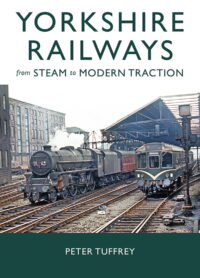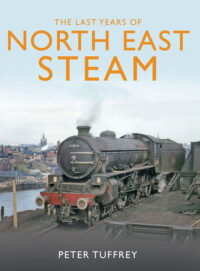
Description
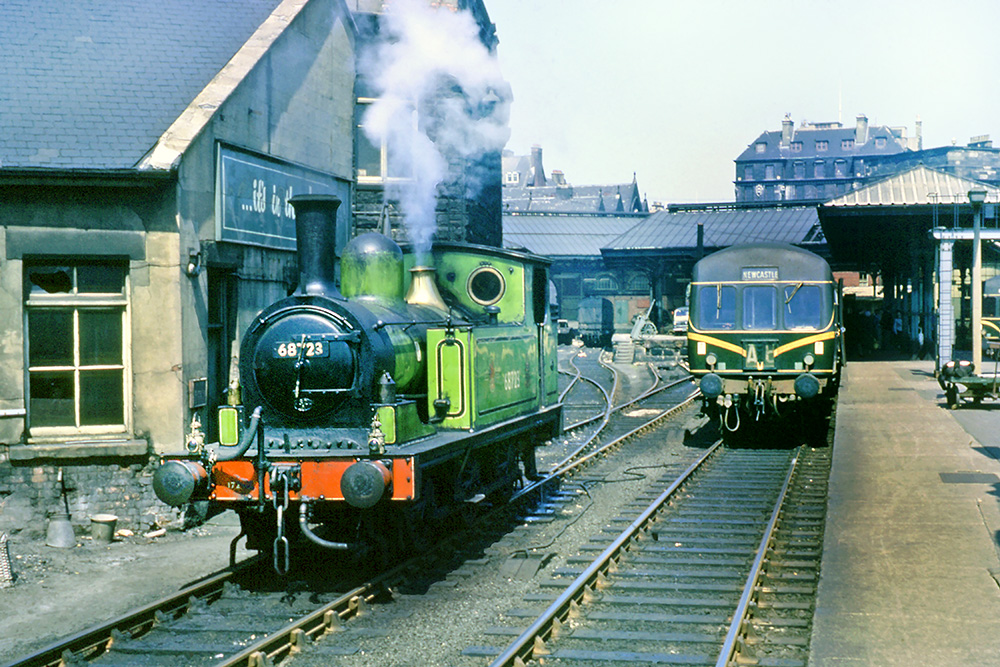
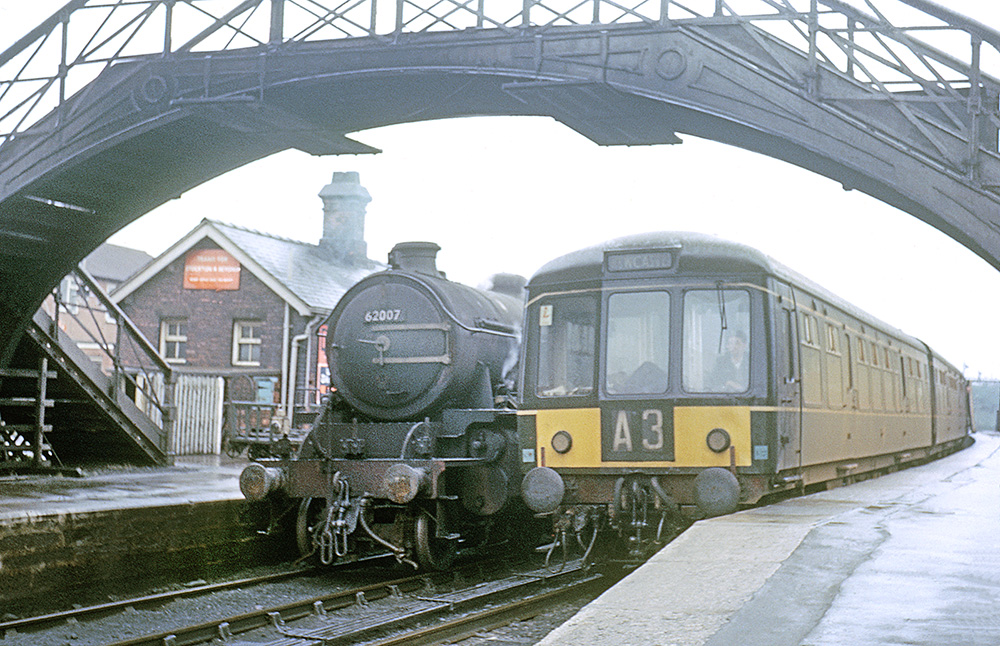
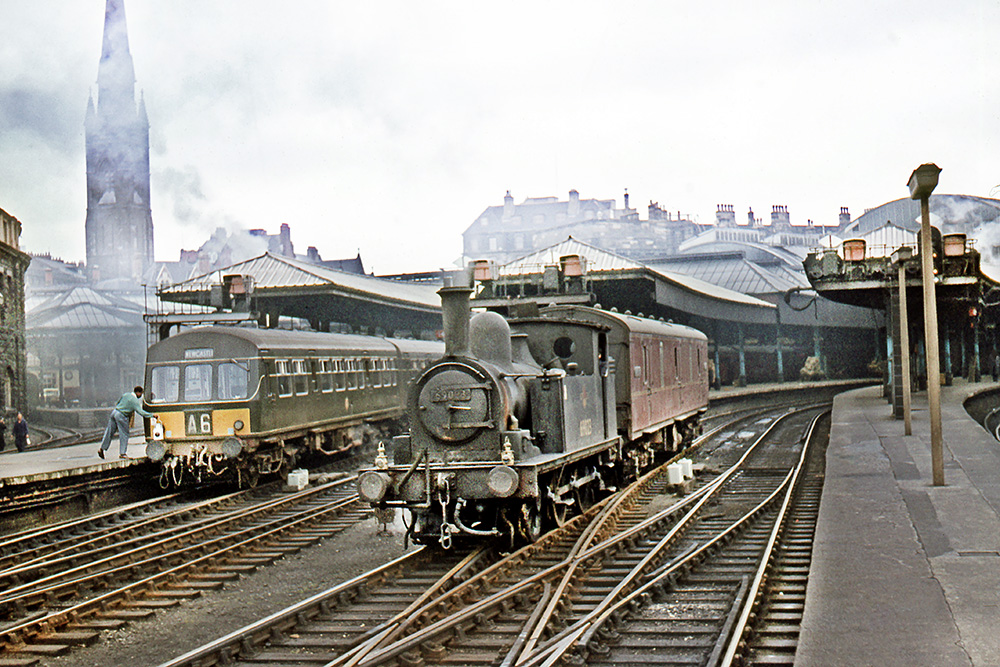
Following the announcement of British Railways’ Modernisation Plan in 1955, a transitional period existed where steam engines operated alongside new diesel and electric forms of motive power.
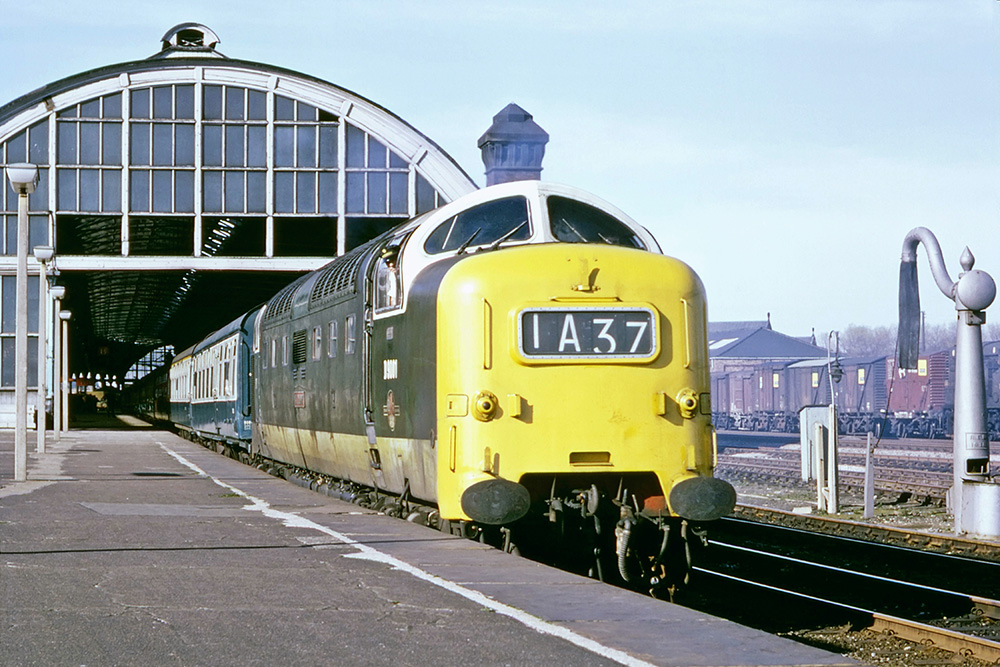
North East England was particularly affected as diesel locomotives came to work the area’s expresses and freight trains. Diesel Multiple Units tried to halt declining branch line usage, though many lines eventually closed. Yet, some improvements in infrastructure were also seen.
North East Railways From Steam to Modern Traction uses around 200 excellent colour and black-and-white images to look at the changing scene in the 1950s and 1960s.
Many of the recognisable steam classes are featured: Gresley A3 and A4 Classes; Peppercorn A1 Class; Gresley V2 Class; Thompson B1 Class; Raven Q6 Class; Worsdell J27 Class; WD ‘Austerity’; etc. Working alongside these in the North East were new diesel locomotives: English Electric Type 5 (TOPS Class 55); English Electric Type 3 (Class 37); BR Type 2 (Class 24); Brush Type 4 (Class 47); etc.
The locomotives are at locations across the North East, including: Newcastle; Sunderland; Darlington; Middlesbrough; Stockton; Durham; etc.
The pictures have been captured from the lineside, engine sheds, stations, marshalling yards and industrial locations.
Thirteen years passed from the instigation of the Modernisation Plan and the end of steam services. Thankfully, many amateur photographers were on hand to capture this fascinating time in railway history.